

2026东南大学-宾夕法尼亚大学暑期学校
全球物联:在分布式流动网络中演进的城乡社区
2026 Southeast University - University of Pennsylvania Summer School
Global Wholesale: Evolving Rural-urban Community in a Distributed Network of Flows
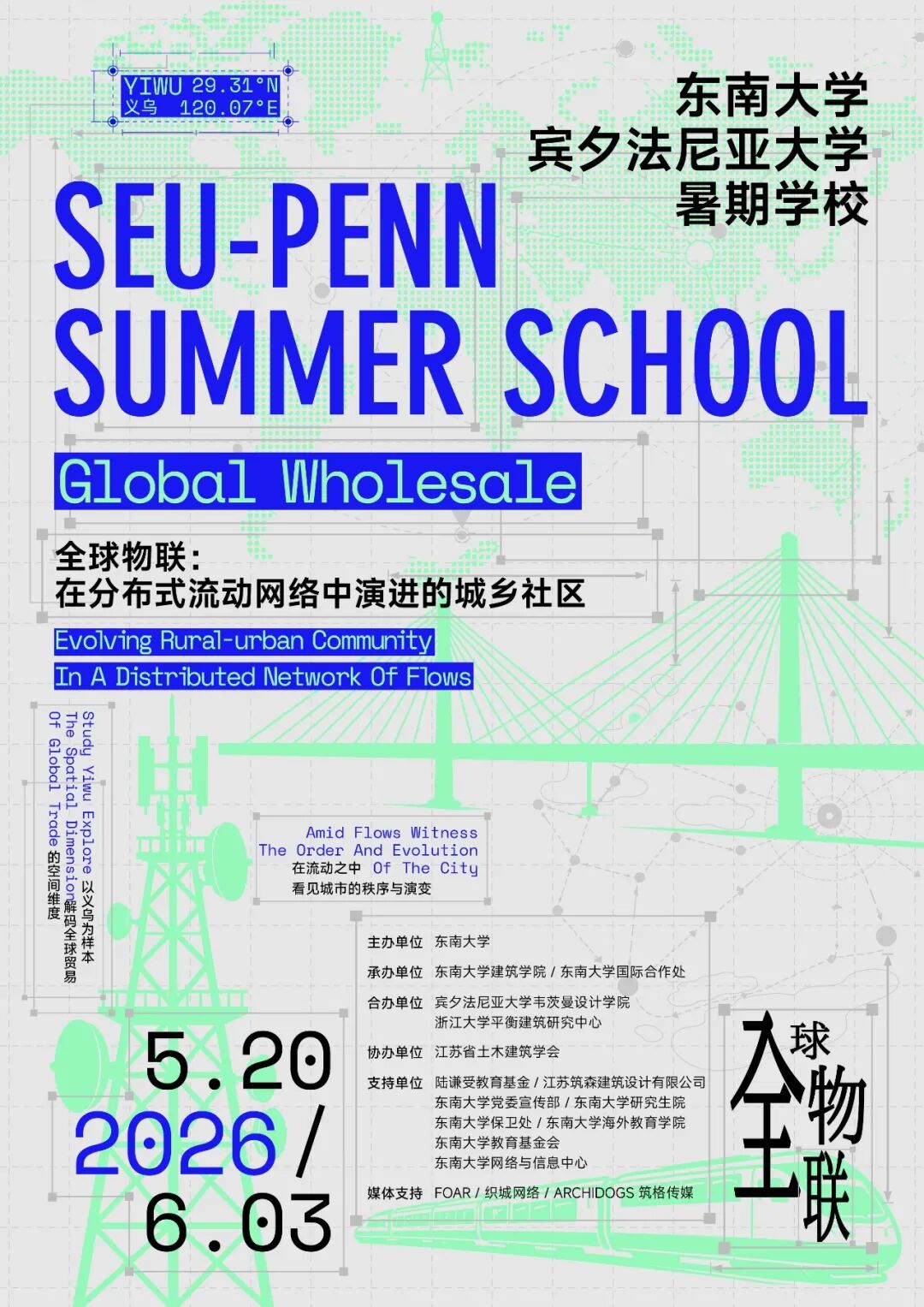
主办单位:东南大学
承办单位:太阳集团tyc122cc、东南大学国际合作处
合办单位:宾夕法尼亚大学韦茨曼设计学院、浙江大学平衡建筑研究中心
协办单位:江苏省土木建筑学会
支持单位:陆谦受教育基金、江苏筑森建筑设计有限公司、东南大学党委宣传部 、东南大学研究生院、东南大学保卫处、东南大学海外教育学院、东南大学教育基金会、东南大学网络与信息中心
媒体支持:FoAR、织城网络、ArchiDogs筑格传媒
从2024年“设计结合自然”(Design with Nature)到2025年“创新性乡域景观”(Innovative Rural-scape),东南大学-宾夕法尼亚大学国际暑期学校系列活动相继举办,引领中美青年在城市、建筑和景观领域的高水平专业交流。今年两校再度携手,于5月20日至6月3日共同举办主题为“全球物联:在分布式流动网络中演进的城乡社区”(Global Wholesale: Evolving Rural-urban Community In A Distributed Network of Flows)暑期学校及学术研讨会,开启一场对“世界超市”的深度探访。
为何是义乌?
这里曾是浙中丘陵里资源匮乏的普通县城,如今却奇迹般地崛起为掌控全球小商品定价与流通的“世界超市”。中美高校70余位师生将走进义乌,深入考察这些小商品背后密织的产业网络:从原料采购的源头、村镇作坊的加工,到商贸城的展销博弈、跨境物流的万里跋涉……在为期两周的田野调查、跨学科研究与创新设计中重新认识和思考全球物联。
这不仅是一次学术与实践并重的国际教学合作,更是架设于中美青年之间的理解与信任之桥。在全球贸易的系统流通中,未来的规划师与建筑师不应缺位,年轻学者们当以敏锐的观察与富有想象力的设计,回应这个时代关于空间、经济与社区的深刻命题。
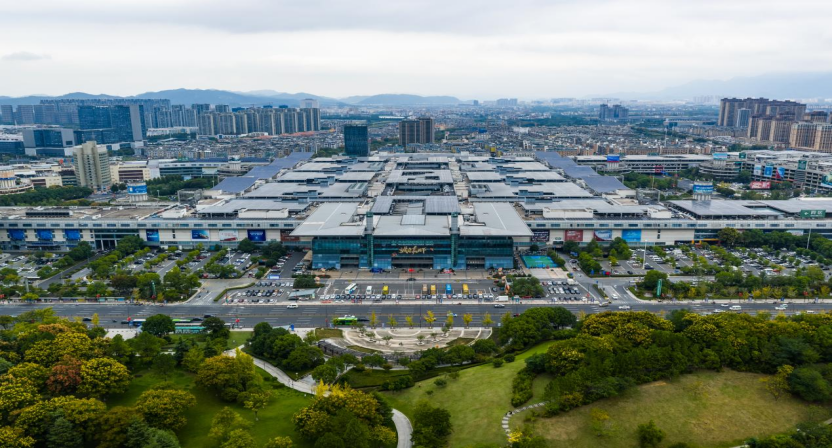
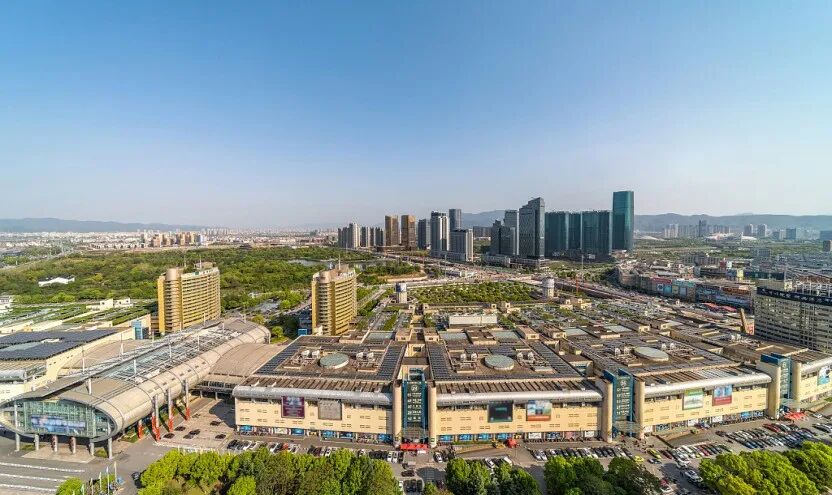
义乌景观概览
From "Design with Nature" in 2024 to "Innovative Rural-scape" in 2025, the Southeast University-University of Pennsylvania International Summer School series has been successively held, leading high-level professional exchanges between Chinese and American youth in the fields of urban planning, architecture, and landscape design. This year, the two universities are joining hands once again to co-host the summer school and academic symposium themed "Global Wholesale: Evolving Rural-urban Community In A Distributed Network of Flows" from May 20 to June 3, embarking on an in-depth exploration of the "World Supermarket".
Why Yiwu?
Once an ordinary, resource-scarce county in the hills of central Zhejiang, Yiwu has miraculously risen to become the "World Supermarket" controlling the pricing and circulation of global small commodities. Over 70 faculty and students from Chinese and American universities will step into Yiwu to deeply investigate the densely woven industrial network behind these small commodities—from the source of raw material procurement and processing in village workshops, to the display and trading dynamics in commodity marts and the long trek of cross-border logistics. Through a two-week field investigation, interdisciplinary research, and innovative design, they will gain a fresh understanding of and rethink global wholesale.
This is not only an international pedagogical collaboration that emphasizes both academic research and practical application, but also a bridge of understanding and trust built between Chinese and American youth. In the systemic circulation of global trade, future planners and architects must not be absent; young scholars should respond to the profound propositions of our era regarding space, economy, and community with astute observation and imaginative design.
全球物联:在分布式流动网络中演进的城乡社区
Global Wholesale: Evolving Rural-urban Community In A Distributed Network of Flows
义乌坐落于浙江中部的丘陵地带,最初只是一个自然资源匮乏、耕地有限的普通县城。然而,正是从这样不起眼的基础出发,义乌没有依靠工业巨头,也没有依靠国家主导的大型项目,在无数次小笔交易的积累、货物的跨境流动以及一代代商人的默默耕耘中,逐渐生长出一番非凡的景象。四十多年来,这座城市已经蜕变为全球小商品之都。在这里,全球批发贸易的流动凝聚成独一无二的城市肌理。
在义乌,贸易不仅仅是经济活动,它本身就是建成环境的组织原则。规模宏大的国际商贸城拥有数万个摊位,既是商业中心,更是一套能够协调远程生产、交换与分配的空间装置。围绕着这一中心,作坊、仓库和村庄构成了一个分散的网络,不断向外延伸,模糊了城乡之间、工厂与家庭之间、本地与全球之间的界限。在这里,批发经济催生了一种独特的城市逻辑,这种逻辑并非来自宏大的总体规划,而是由商品、信息和资本的流动所驱动。
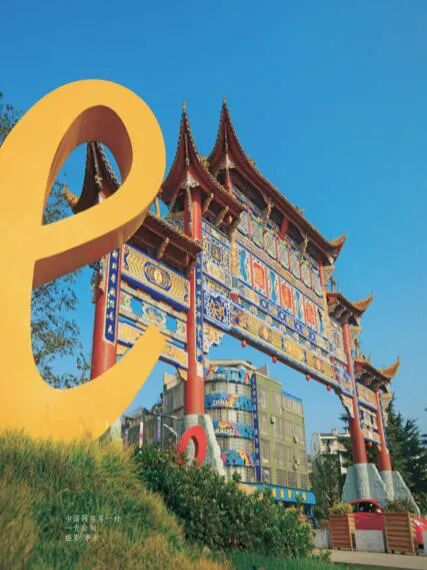
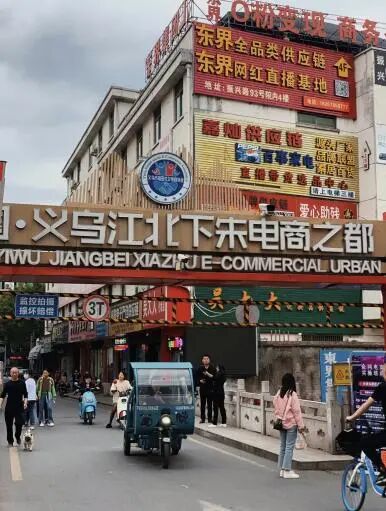
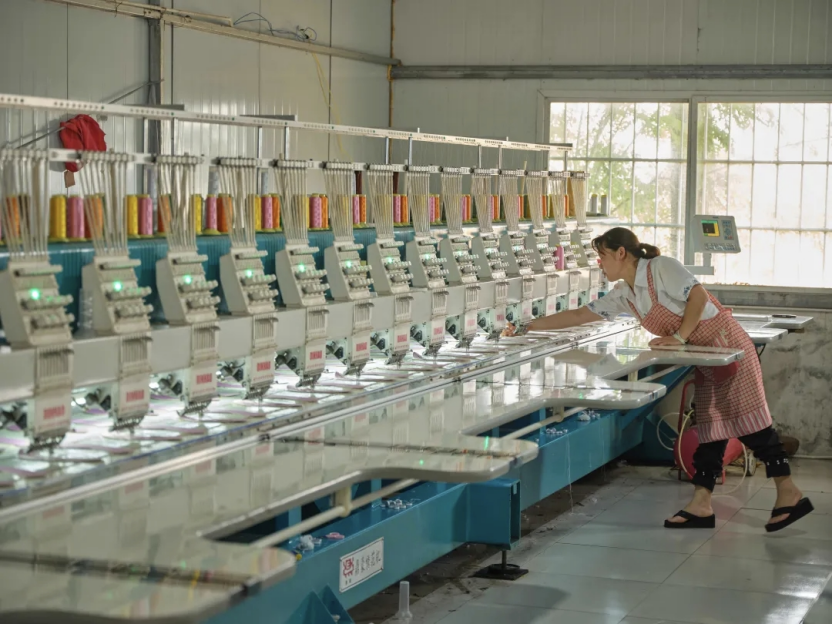
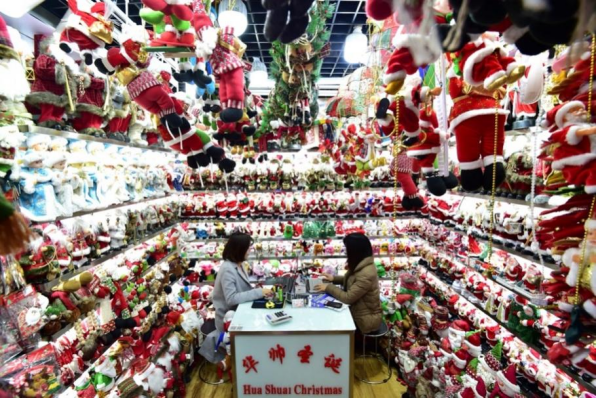
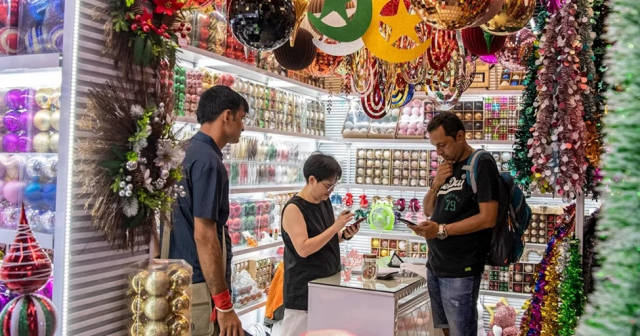
在义乌,贸易不仅仅是经济活动,它本身就是建成环境的组织原则
义乌的重要意义在于,它正处于多重转型的交汇点。全球供应链正因地缘政治变化而重新配置,数字平台正重塑批发交易的模式,跨境电子商务的快速兴起也对产业模式及其空间布局提出了新的要求。与此同时,在长三角下游都市圈的杭州、上海等地,新一代科技公司不断涌现,在实体贸易与数字创新之间建立起新的联系。
如果说建成环境可以被理解为由人类活动塑造的有机体,那么义乌便是一个极具启发性的案例:一座被全球商业力量不断重新定义形态和逻辑的城市。市场组织、物流基础设施和贸易融资方面的创新,都在这片土地上留下了印记,形成了一种既高度实用又极具适应性的空间秩序。理解这种秩序需要近距离的观察,不仅观察建筑和街道,也要观察那些赋予它们活力的流动、连接它们的网络,以及维系它们的人。
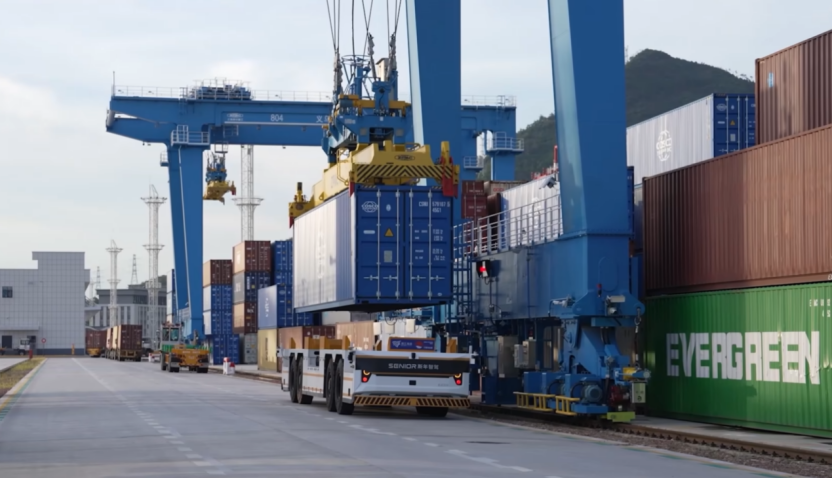
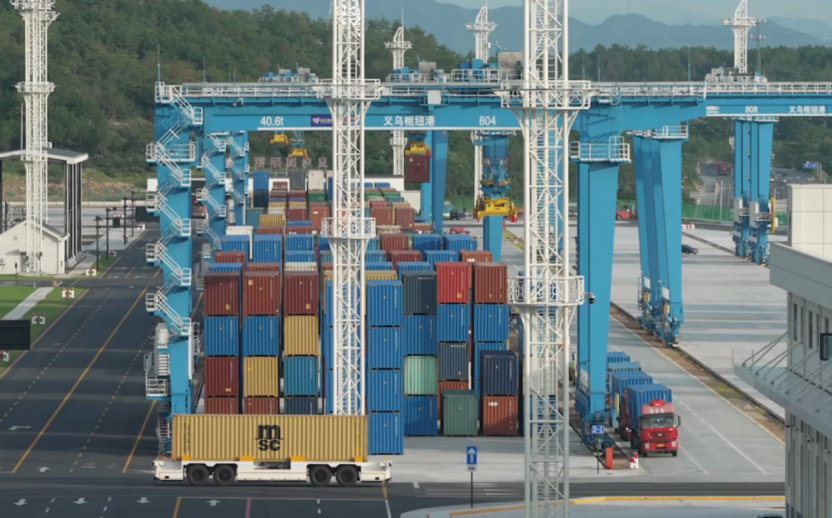
一座被全球商业力量不断重新定义形态和逻辑的城市
2026年暑期学校延续以往工作坊的基础,对义乌及其周边城乡环境进行深入调研,将其作为理解全球批发贸易空间维度的实验室。通过田野调查、测绘和设计研究,参与者将考察市场体系如何催生出特定的建筑与城市形态,生产、仓储与交换如何在整个区域中分布,数字化转型、供应链重组等最新涌现又在如何重塑这一景观。本次工作坊的目标兼具分析与思辨——记录现状,理解其成因,并设想城乡环境在面临未来挑战时可能如何演变。
从实践层面来看,这将引出一系列关于商业与空间关系的基本问题。批发贸易对区域城乡空间的组织模式,与工业生产或金融服务有何不同?在长期市场驱动的发展过程中,催生了哪些建筑类型和城市形态?义乌的经验,又能否为其他那些由贸易塑造的建成环境提供借鉴?
本次工作坊将确保每一位参与者都能亲身接触到义乌这座城市,因为它以尤为生动的方式,体现了全球流动与地方场所中市场的抽象逻辑与我们日常生活的空间现实之间复杂的相互作用。
Nestled in the hills of central Zhejiang, Yiwu began as an ordinary county with scarce natural resources and limited arable land. Yet from this modest starting point, something remarkable emerged—not through industrial giants or state-led mega-projects, but through the accumulation of countless small transactions, the movement of goods across borders, and the quiet ingenuity of generations of traders. Over four decades, this city has transformed itself into the world's capital of small commodities, a place where the global flows of wholesale trade materialize into an extraordinary urban fabric.
Trade, in Yiwu, is not merely an economic activity—it is the organizing principle of the built environment. The sprawling Futian Market complex, with its tens of thousands of booths, forms not just a commercial center but a spatial apparatus for coordinating production, exchange, and distribution across vast distances. Surrounding it, a decentralized network of workshops, warehouses, and villages extends outward, blurring the boundaries between city and countryside, factory and home, local and global. Here, the wholesale economy has given rise to a distinctive urban logic—one driven not by master plans but by flows of goods, information, and capital.
What makes Yiwu particularly significant today is its position at the intersection of multiple transformations. Global supply chains are being reconfigured by geopolitical shifts, digital platforms are reshaping how wholesale transactions occur, and the rapid rise of cross-border e-commerce demands new kinds of spatial arrangements. Meanwhile, in the downstream urban centers of the Yangtze River Delta—Hangzhou, Shanghai, and beyond—a new generation of technology firms continues to emerge, creating novel linkages between physical trade and digital innovation.
If the built environment can be understood as an organism shaped by human activity, then Yiwu represents a particularly instructive case: a city whose form and logic have been continuously redefined by the forces of global commerce. Innovations in market organization, logistics infrastructure, and trade finance have left their imprint on the landscape, producing a spatial order that is both highly functional and surprisingly adaptive. Understanding this order requires close observation—not only of buildings and streets, but of the flows that animate them, the networks that connect them, and the people who sustain them.
The 2026 Summer School, building upon the foundation of our previous workshops, will undertake an intensive investigation of Yiwu and its surrounding region as a laboratory for understanding the spatial dimensions of global wholesale trade. Through fieldwork, mapping, and design research, participants will examine how the market system has generated particular architectural and urban forms; how production, storage, and exchange are distributed across territory; and how contemporary pressures—from digital transformation to supply chain reorganization—are reshaping this landscape. The objective of this workshop will be both analytical and speculative: to document what exists, to understand how it came to be, and to imagine how such environments might evolve in response to emerging challenges.
In practical terms, this means asking fundamental questions about the relationship between commerce and space. How does the wholesale trade organize territory differently from industrial production or financial services? What kinds of architectural types and urban patterns emerge from extended periods of market-driven growth? And how might the lessons of Yiwu inform our thinking about other contexts where trade shapes the built environment?
The workshop will ensure every participant an encounter with a city that embodies, in particularly vivid form, the complex interplay between global flows and local places—between the abstract logic of markets and the tangible reality of the spaces we inhabit.

教学目标
本次暑期学校以义乌为田野现场,围绕“全球物联”这一核心命题,通过国际联合教学、在地调研、空间测绘、设计介入与策展实践等多种形式,旨在达成以下三个维度的教学目标:
01
观察、记录、追踪并理解全球批发贸易的空间逻辑
02
基于分布式流动城乡网络的理论框架,与全球化贸易空间现象进行实证对话
03
探索面向未来的后全球化时代贸易空间转型
Teaching Objectives
Taking Yiwu as the fieldwork site and centering on the core theme of ‘Global Wholesale’, this summer school adopts multiple pedagogical approaches including international collaborative teaching, on-site investigation, spatial mapping, design intervention, and curatorial practice. It aims to achieve the following teaching objectives across three dimensions:
1 Observe, document, trace, and understand the spatial logic of global wholesale
2 Engage in empirical dialogue with the phenomena of globalized trade spaces, grounded in the theoretical framework of a distributed network of flows
3 Explore the future transformation of trade spaces in the post-globalization era.
教学团队
东南大学(SEU)+浙江大学(ZJU)
领队教授:王逸凡,史永高
指导教师:曹俊,寿焘,张高超,管理,张焕
参与学生:共30人。东南大学24名研究生,浙江大学6名研究生
宾夕法尼亚大学(UPENN)
领队教授:罗伯特・杰拉德・皮特鲁斯科, 林中杰
指导教师:罗亚丹,莱恩・安・里克,夏成艳(助教,宾夕法尼亚大学博士研究生)
参与学生:韦茨曼设计学院34名。
Teaching Team
Southeast University (SEU) + Zhejiang
University (ZJU)
Lead Professors: Yifan Wang, Yonggao Shi
Instructors: Jun Cao, Tao Shou, Gaochao Zhang, Li Guan,Huan Zhang
Participating Students: A total of 30 students.
This includes 24 graduate students from Southeast University (SEU), and 6 graduate
students from Zhejiang University (ZJU)
University of Pennsylvania (UPENN)
Lead Professors: Robert Gerard Pietrusko,
Zhongjie Lin
Instructors: Yadan Luo, Lane Ann Rick, Chengyan Xia (Teaching Assistant, Penn PhD)Participating Students: 34 students from the Weitzman School of Design
信息来源:建筑系党支部
审核:周文竹、张彤
